
KyotoKyoto
Back to listKyoto – Uji 450-Year Tea Heritage Experience·Private Matcha Masterclass
Experience authentic Uji matcha culture inside a tea house operated by a lineage of tea masters serving the Imperial and shogunate households for over 450 years.
From USD 560.00 per person
Gallery
Gallery
Background
Background
Kyoto – Uji (450-Year Tea Master Heritage Experience)
Uji is regarded as the birthplace of Japan’s matcha culture. Within this region exists a tea master family lineage with over 450 years of heritage, historically serving the Imperial Court and shogunate, representing one of the highest tiers in Japan’s tea tradition.
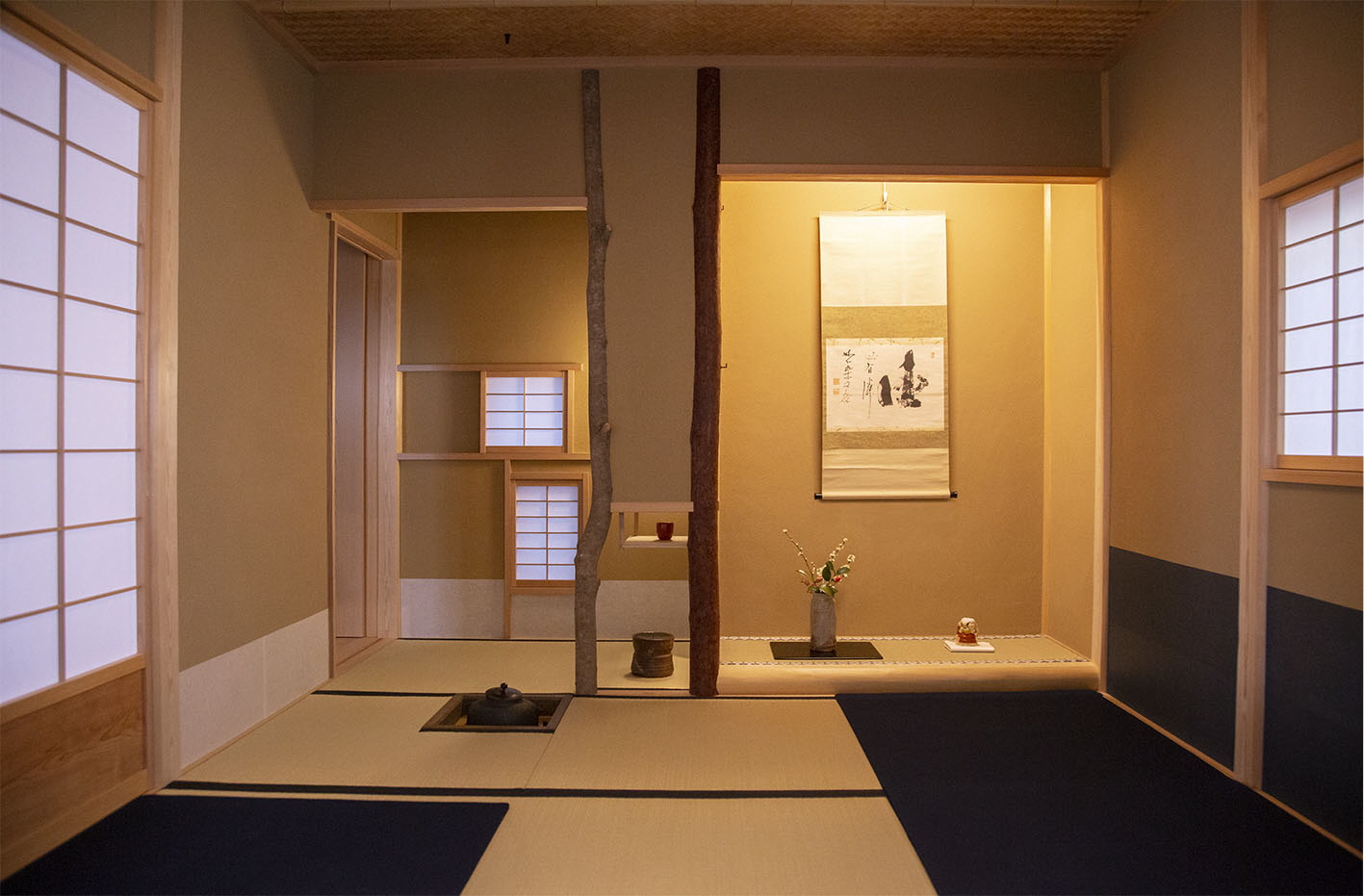
This experience is held in the family’s private tea room and is offered as a fully exclusive buyout experience.
Guests begin by grinding tencha tea leaves using a traditional stone mill, followed by an authentic tea ceremony guided by a master of the Urasenke school. They will also be guided through the tea workshop by the current successor, learning about production, selection, and refinement processes—offering a rare opportunity to experience authentic, high-grade Uji tea culture at its source.
Experience Content
Experience Content
1 | Private Buyout of Tea Master Family Tea Room
Exclusive access to the private tea room of a long-established tea master family, normally closed to the public.
2 | Guided Tour of Tea Production Workshop
A guided visit led by the owner, explaining the tea production process inside a traditional tea manufacturing facility.
3 | Stone Mill Matcha Grinding Experience
Guests operate a traditional stone mill to grind tencha leaves into fine matcha powder.
4 | Urasenke Tea Ceremony Experience
A formal tea ceremony conducted under the guidance of an instructor from the Urasenke school, presenting authentic matcha service rituals.
Experience Overview
Overview
Region: Uji
Group Size: 2–5 participants
Time: approx. 1 hour
Price: JPY 80,000 (up to 5 participants)
Notes:
A certified official interpreter is required (mandatory upon request).
Only the applicant and pre-approved interpreters are permitted to enter; all other individuals are strictly restricted.
The program may be suspended during peak tea production season (early April to early June) and the busy season in November.
Company Information
Locations
Japan
〒542-0082
KOURIN BL 6F, 1-8-8 Shimanouchi, Chuo-ku, Osaka
Tel: +81-6-6606-9315
Fax: +81-6-6606-9316
Email: info@antai-mt.com
China
Room 616, Jinkui Business Building, No. 982 Congyun Road, Baiyun District, Guangzhou, Guangdong Province, China
Email: Guangzhou@antai-mt.com
Vietnam
Dakao Center, 35 Mac Dinh Chi Street, District 1, Ho Chi Minh City, Vietnam
Email: HoChiMinh@antai-mt.com
Contact Us
Contact Us

WeChat

WhatsApp

Official Account

RED